
Here is the offer I see accepted most often, and it is the one that annoys me most.
 5
5 
 2
2 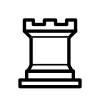 d
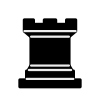
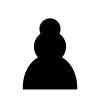
d That is a normal club position: White has an extra passed pawn on the wing, Black has a slightly loose kingside, both sides have a rook. Someone offers a draw because rook endings are drawish, and someone accepts because he cannot see a forced win. But nobody wins a rook ending by force at move thirty. You win it by pushing the a-pawn to a6, cutting the king off on the seventh rank, and waiting for one careless move.
Reasons to play on
An extra pawn is a reason. So is a pawn break your opponent cannot meet, a rook on the only open file, a bishop against a knight in a position with pawns on both wings, or a king that can walk somewhere useful while his cannot.
The clock counts too. If he has eight minutes and you have twenty-five, a level position is not level in any way that matters.
And there is the plain statistical point, which nobody enjoys hearing. Below about 1800, games are decided by mistakes and not by evaluations, and a position that is objectively drawn is still a position where one of you will hang something in the next twenty moves. Playing those out is the single cheapest source of rating points there is, which is half the argument in how to break a rating plateau.
Reasons to take it
Take it when the position is genuinely dead: equal material, no breaks, no files, nothing to aim at. Take it when you are worse and the offer is a gift. Take it when you are short of time against a stronger player and know you are about to be outplayed on the increment. Take it in the last round when half a point wins you the section, which is a tournament decision rather than a chess one.
And take it when you are exhausted. Playing on for two more hours in a level ending, then losing on move seventy, then losing again the next morning because you never recovered, is a well-known way to ruin an event.
The offer is information
Somebody offering you a draw is telling you something. Most of the time it means he does not like his position, or he is tired, or his clock is worrying him. So the moment the offer arrives, stop and look at the board again as if you had just sat down. What is he afraid of? That question has found me more wins than it has cost me draws.
The one I still think about is from a junior tournament. Two pawns up against a player rated three hundred points above me, thirty minutes each on the clock, and I accepted a draw because of the number next to his name. I went through it that evening and the win was there three different ways. Nobody ever offers you a draw because they think you are winning by accident.
If you want to make the decision with something better than a feeling, learn the endings the offers turn up in. Half of them are rook endgames, and the other half are positions where the offer is really a perpetual check waiting to happen. The etiquette of saying yes or no is on draw by agreement.